Where We WorkOur Context
Geography & Population
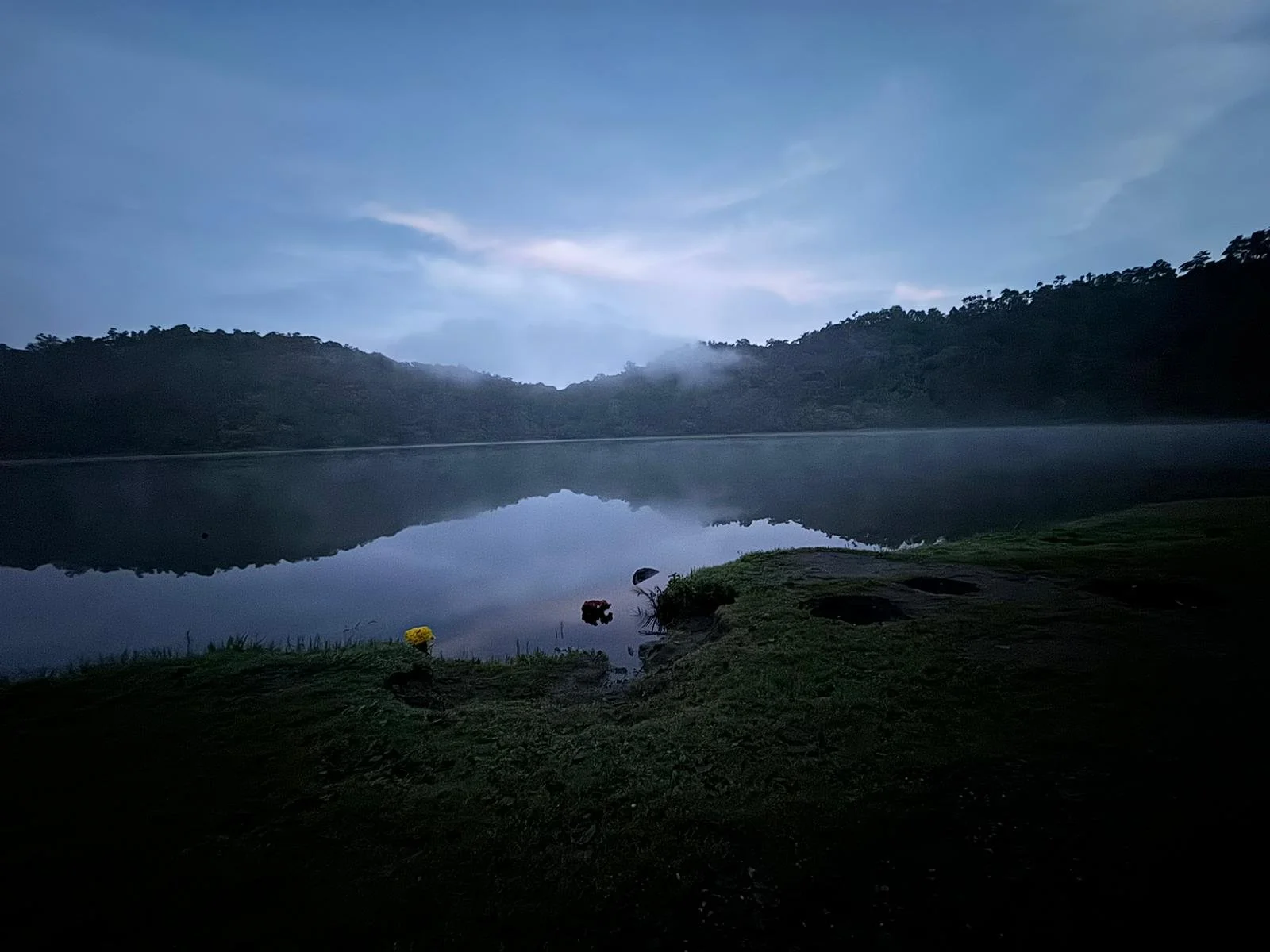
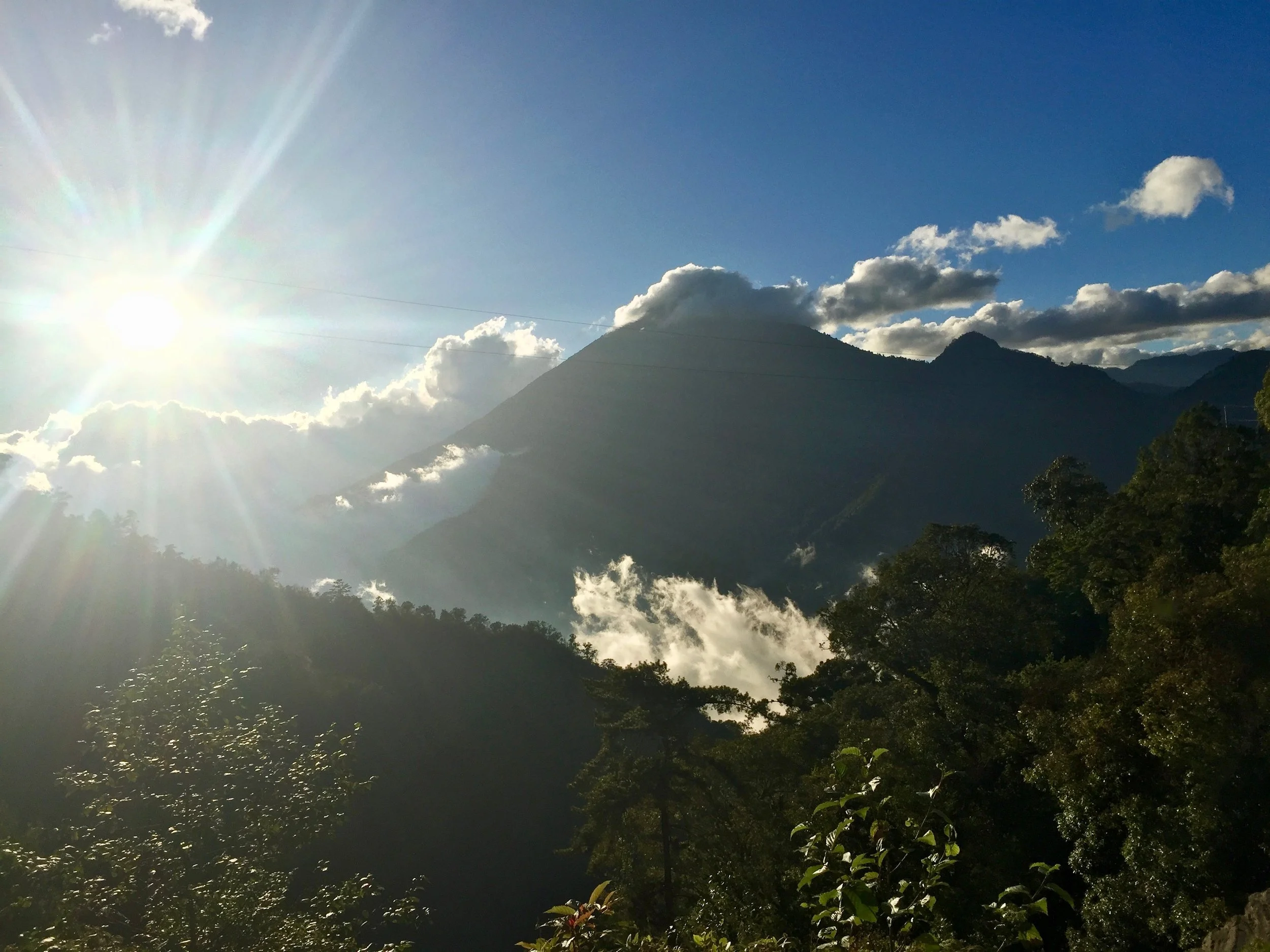
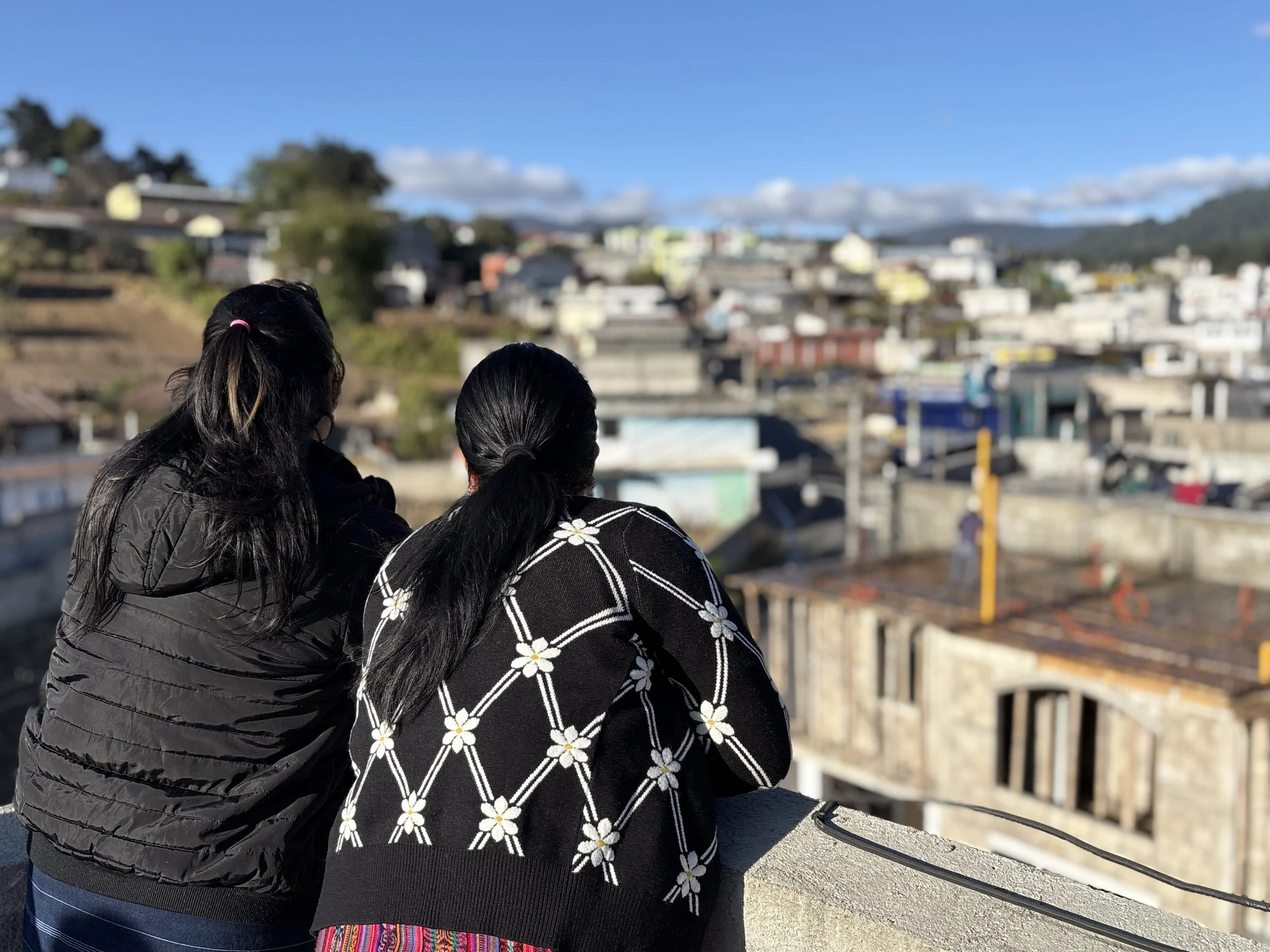
Naye Xjaw operates in Guatemala’s Western Highlands, primarily in the Mam region of Quetzaltenango. This is a predominantly Indigenous territory shaped by rural geography, language, and unequal access to services.
Across Guatemala, Indigenous peoples make up roughly 43.75% of the population, according to recent national projections cited by IWGIA. Indigenous communities are disproportionately rural, and poverty remains significantly higher among Indigenous populations than among non-Indigenous populations.
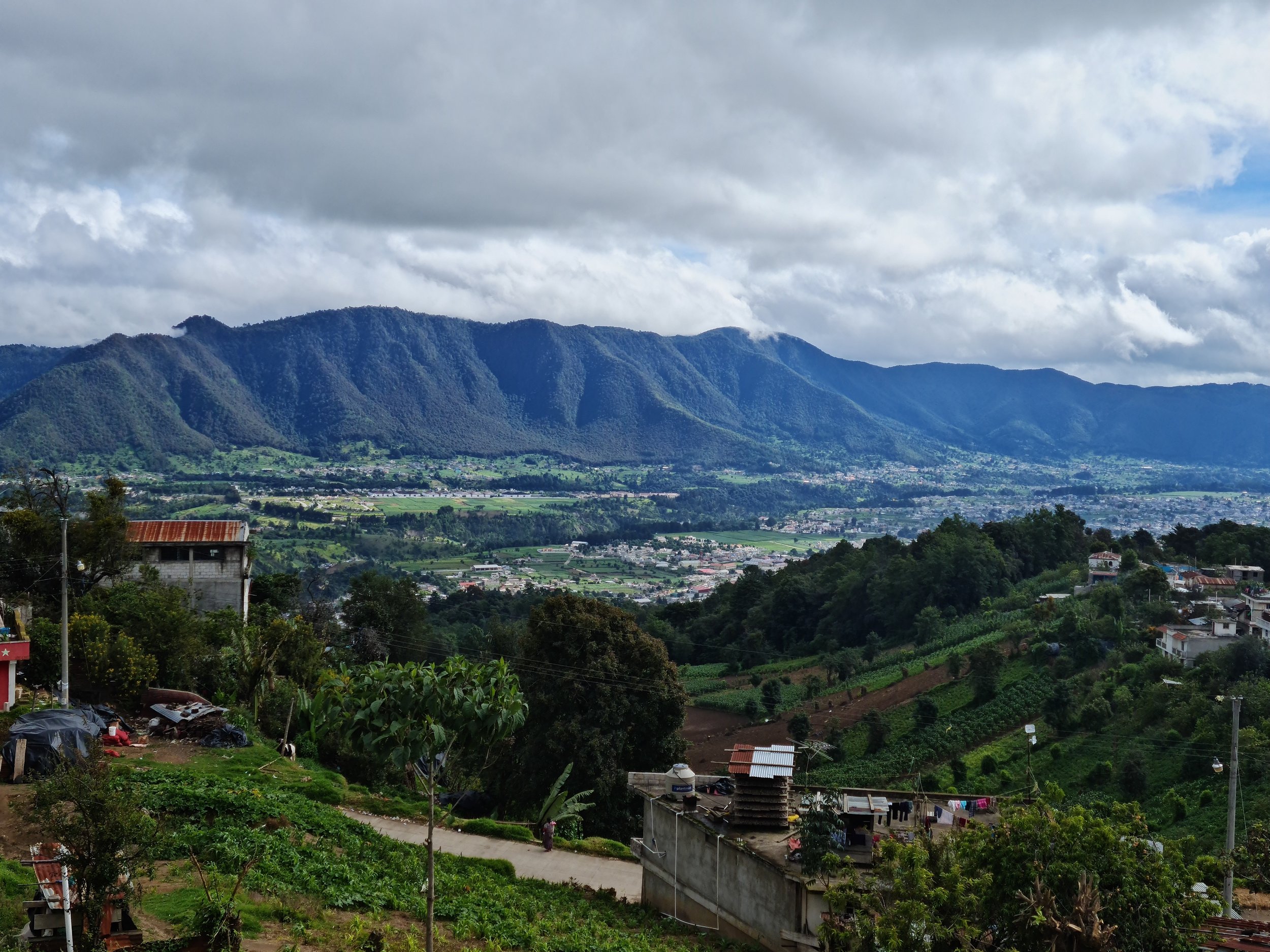
Geographic isolation directly shapes access to care. In many rural communities, reaching higher-level health services can require long travel times, unreliable transportation, and significant cost. Language also affects care access and quality, particularly for women whose primary language is Mam rather than Spanish. This is not a secondary issue. It defines whether care is accessible, timely, and trusted.
Structural Barriers
Maternal and reproductive health outcomes in Indigenous regions of Guatemala reflect deep structural inequities.
Recent UNICEF reporting places Guatemala’s maternal mortality ratio at 108 deaths per 100,000 live births. UNFPA has also documented that maternal mortality among Indigenous women in Guatemala is roughly double that of non-Indigenous women, with cited figures of 156 versus 75 per 100,000 live births.
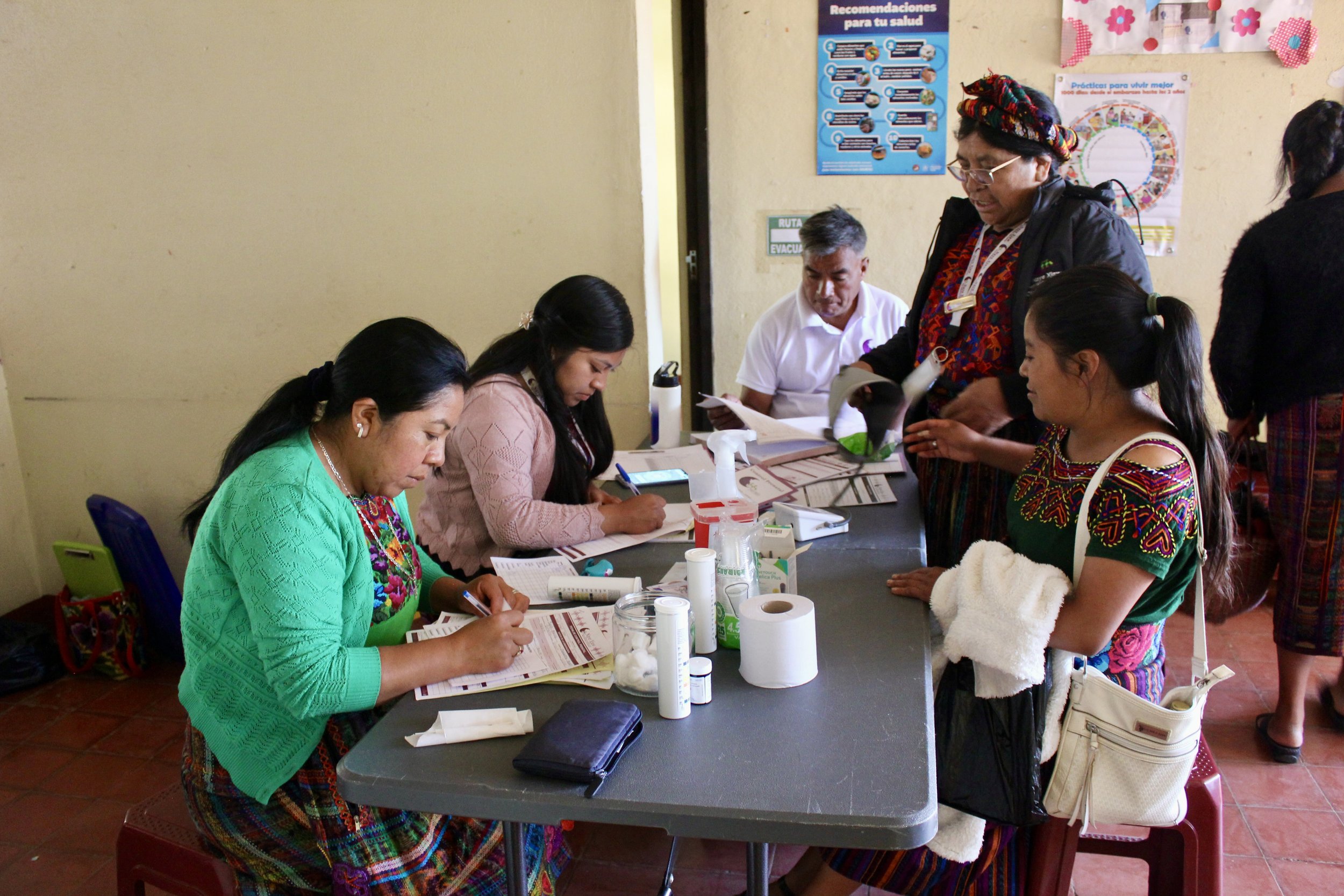
These disparities are linked to more than poverty alone. Rural communities face limited access to skilled and culturally appropriate care, while discrimination, language barriers, and mistreatment reduce trust in formal institutions. At the same time, Indigenous midwives continue to provide a substantial share of maternal care in rural areas, often without formal recognition, compensation, or institutional support.
This creates a structural contradiction: the system depends on Indigenous midwives, but does not support them.
Environment
Health in the Mam region is inseparable from land, biodiversity, water, and local food systems.
Midwifery practice depends on medicinal plants, traditional healing knowledge, and nutritional conditions that support maternal and child health. These systems are under growing pressure from environmental degradation, land stress, and climate variability.
This matters because Guatemala continues to face one of the worst child nutrition crises in the region. UNICEF reports that 45.8% of children under five suffer from chronic malnutrition, and that rate rises to 61.2% among Indigenous children.
As these pressures intensify, they do not only threaten ecosystems. They weaken the foundations of care itself.
System Failure
Guatemala’s maternal health system does not fail because communities lack knowledge. It fails because the structure remains misaligned with how care is actually delivered.
UNFPA and PAHO reporting have long shown that Indigenous and rural women face higher maternal risk, weaker continuity of care, and barriers to timely referral. At the same time, traditional midwives remain central to childbirth and maternal support in many communities.
Yet resources and policy attention often continue to favor fragmented, short-term interventions instead of building durable systems around the providers already delivering care. The result is predictable: referrals break down, trust weakens, and outcomes suffer.
This is not a gap in knowledge. It is a gap in structure.