
Midwife Development & Training
Naye Xjaw Maya Midwifery International sustains Indigenous Maya midwives through a model rooted in apprenticeship, lived experience, and continuous practice.
This is not a training program alone.
It is the system through which midwives are formed, supported, and able to practice with dignity over time.
How Midwives Are Formed
Midwives enter the profession through a combination of spiritual calling (don), community recognition, and structured mentorship.
Knowledge is transmitted through:
Apprenticeship with experienced midwives
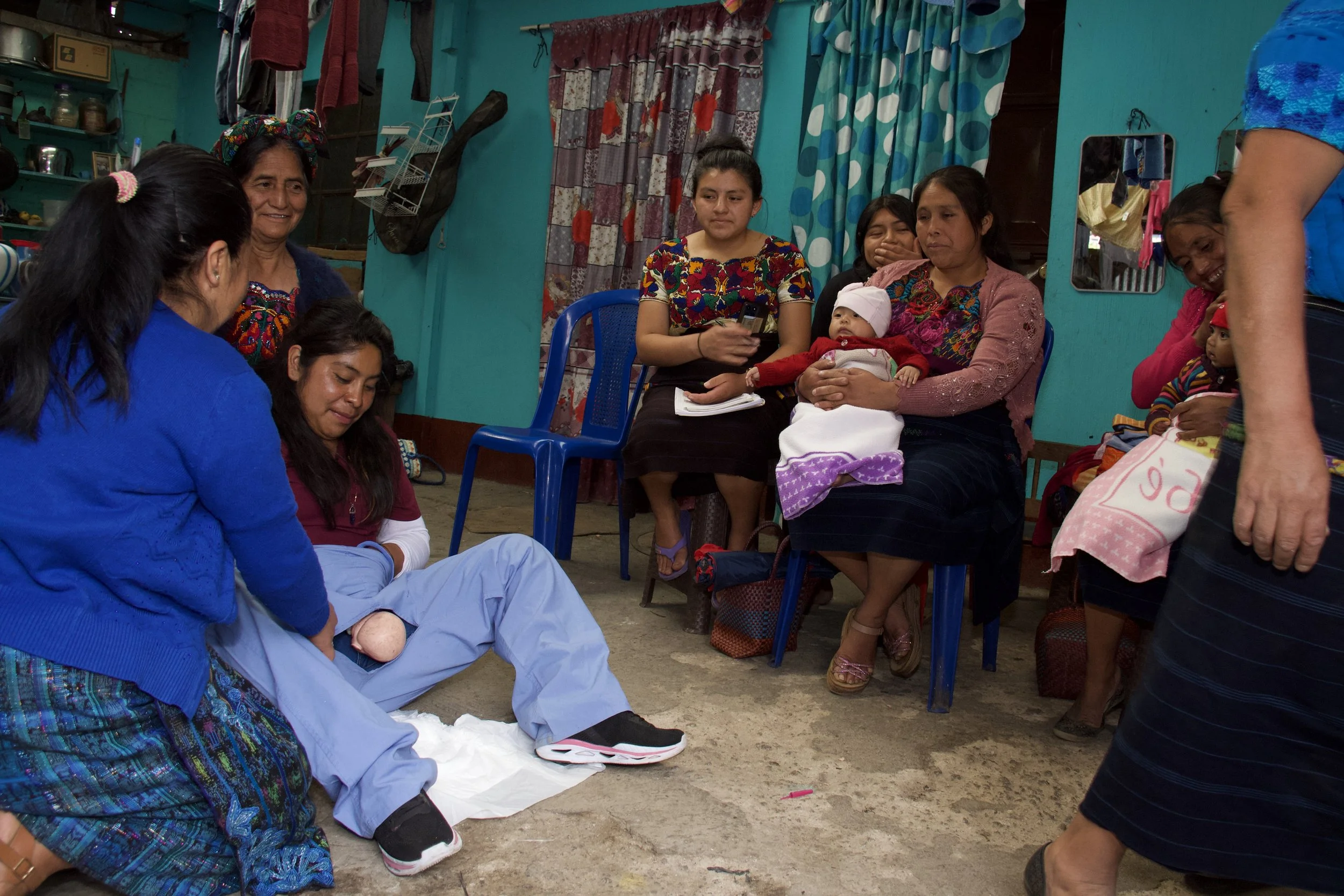
Hands-on clinical practice in community and facility settings
Intergenerational learning rooted in Maya Mam knowledge systems
Ongoing guidance from senior midwives and clinical staff
Learning is continuous, relational, and grounded in responsibility to community.
Rethinking What Defines a Skilled or “Professional” Provider
In the Mam region, many midwives have had limited access to formal schooling due to structural inequities.
Educational attainment, however, is not a barrier to clinical excellence or Indigenous leadership.
Competency is developed through practice, mentorship, and accountability—not academic credentials.
Monthly trainings are conducted in the Mam language and integrate:
Ancestral knowledge and traditional medicine
Evidence-based biomedical skills
Case review, peer learning, and clinical strengthening
In a country where fewer than 1% of Indigenous girls and women continue to university, this model ensures that Indigenous midwives are recognized for what they demonstrate—not excluded for what they were denied.
Knowledge Exchange and Community-Based Training
Midwife development is strengthened through structured knowledge exchange with external health professionals.
Visiting midwives, doctors, nutritionists, and other health experts contribute advanced clinical knowledge and specialized skills.
This knowledge is not transferred directly to communities in external forms.
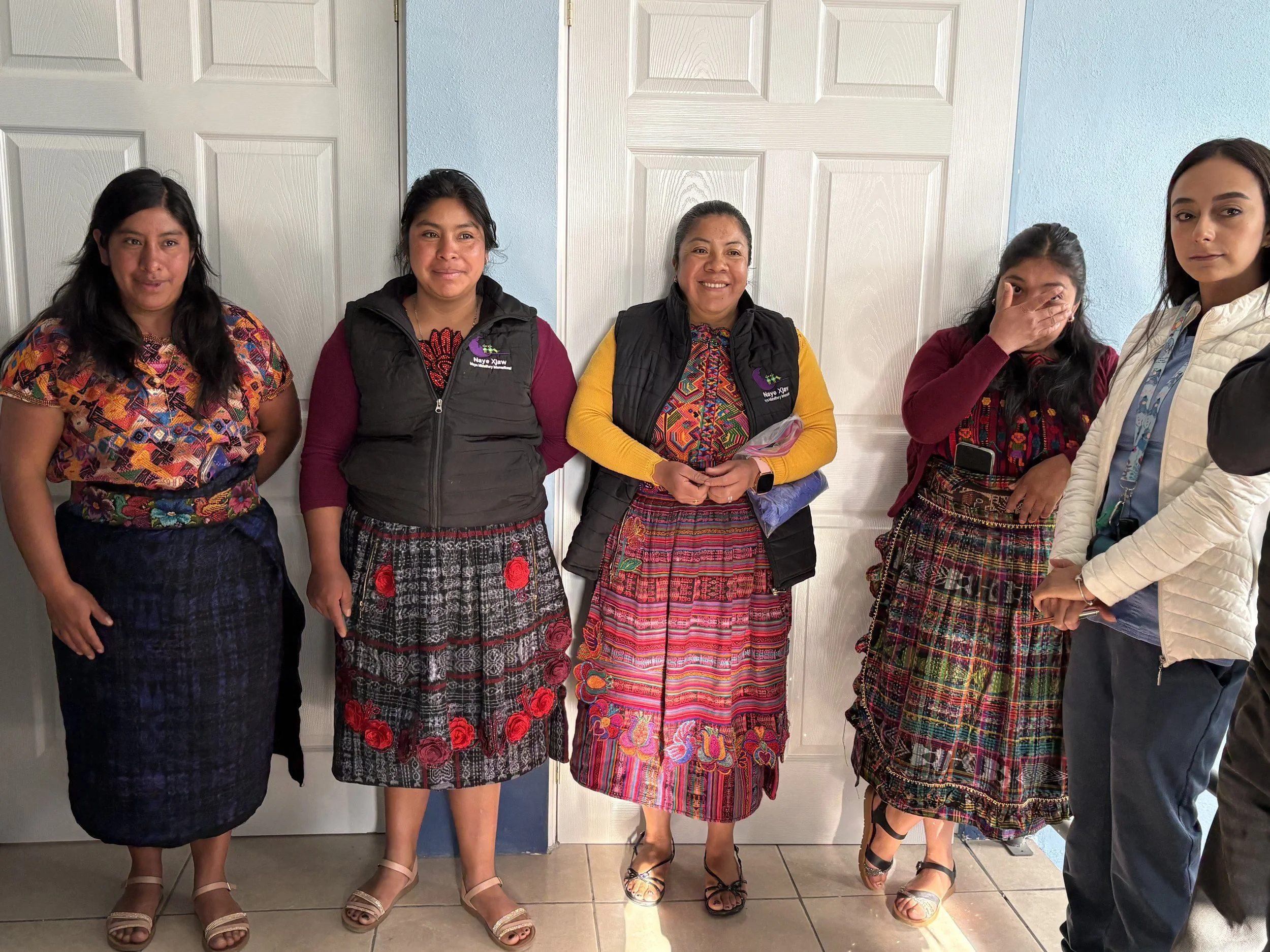
Naye Xjaw midwives interpret, adapt, and translate what they learn into the Mam language and cultural context. Through structured monthly trainings, they share this knowledge with community midwives in ways that are accessible, relevant, and grounded in local practice.
Knowledge does not accumulate at the top.
It is redistributed across the system.
This creates a continuous flow of knowledge:
from external expertise → to Indigenous midwives → to community-level care
Continuous Development and Clinical Integration
Midwife development does not end with initial formation.
Midwives participate in ongoing learning through:
Monthly structured training sessions
Clinical supervision and mentorship
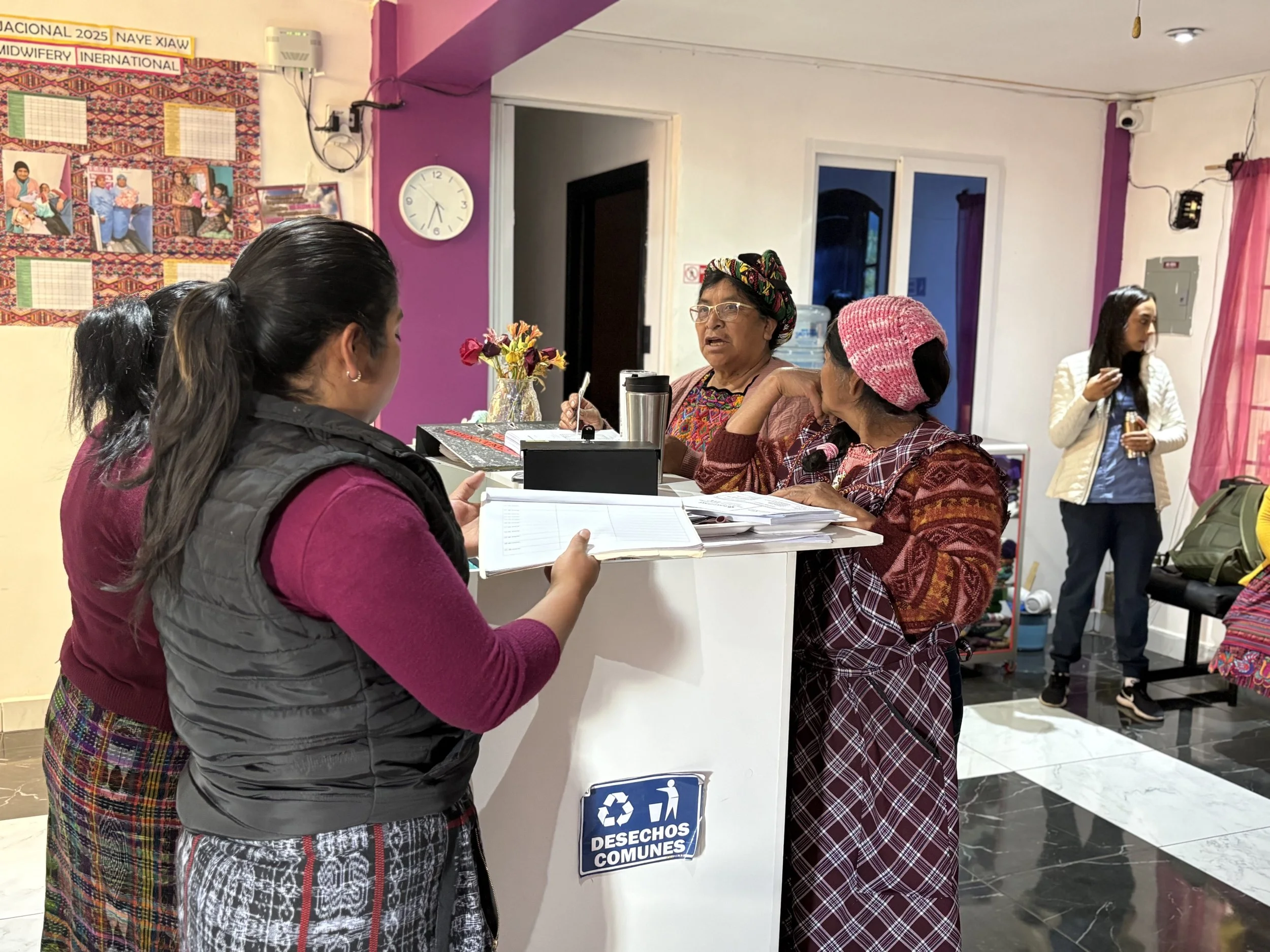
Integration with facility-based care at the Birth and Reproductive Health Center
Participation in mobile clinics across rural communities
This continuous model ensures that learning is directly applied in practice—strengthening both clinical quality and cultural integrity over time.
Economic Dignity and Professional Recognition
Midwives are formally employed and supported as healthcare providers within a functioning system of care.
This includes:
Fair wages
Legal employment status
Access to benefits
Defined roles within the health system
This approach ensures that midwifery is not treated as informal or voluntary labor, but as essential healthcare work worthy of recognition, protection, and compensation.
A System That Sustains Midwifery
Most maternal health programs train individuals.
Few build systems that allow those individuals to continue practicing.
Naye Xjaw Maya Midwifery International does both.
By combining apprenticeship, continuous learning, and formal employment within a functioning care system, this model ensures that midwifery is not only preserved—but sustained, strengthened, and expanded over time.
This is what allows the system to endure.